What Does Freehold Mean in Thailand?

Updated 11 November 2026
Freehold describes ownership rather than a right to use property for a fixed lease term. When comparing Thai property, establish whether the offer concerns a condominium unit, a building, land or a combination of rights. The word “freehold” in a brochure does not prove that a particular buyer is eligible to register every element in their own name.
Foreign-freehold condominiums
An eligible foreign buyer may register a qualifying condominium unit in their own name, subject to the Condominium Act and the building's available foreign ownership quota. The general quota is based on unit floor area, not simply the number of apartments. Obtain current confirmation for the particular transaction.
Villa buildings and land
Building ownership and land ownership are separate questions. Foreign direct land ownership is generally restricted, with limited statutory exceptions. A foreign villa buyer should have an independent lawyer examine the building-ownership evidence, land rights, access, registered burdens and proposed agreements.
A Thai company is not an automatic workaround. Its ownership, purpose, funding and arrangements must be lawful; nominee structures should not be presented as a normal route around land restrictions.
Compare the rights and the full costs
A lease grants rights for its stated term and under its conditions. A renewal promise is not the same thing as an already registered extension or freehold ownership.
Request a property-specific breakdown of transfer expenses, taxes, management charges and ongoing costs. Neither freehold nor leasehold should be selected using a blanket claim that it always has lower taxes, stronger resale prospects or guaranteed price resilience.
Phuket Realtor can help obtain available documents and arrange viewings. Have your independent lawyer advise on the legal suitability of the purchase before signing.
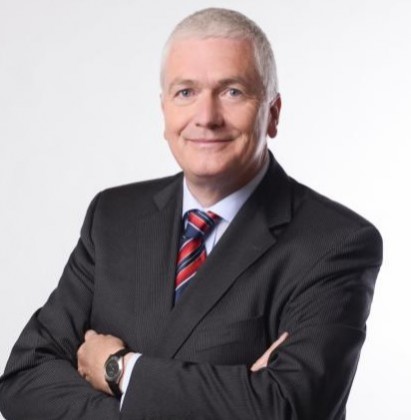
David Henry is known for his integrity, high energy and hard work which goes into every detail of your real estate transaction at Phuket Realtor. David grew up in the Boston area and started as a realtor in his 20's. With over 30 years of experience in real estate, he has now started one of the best independent real estate agencies in Thailand, Phuket Realtor.
