Why Confidence Is Returning to the Island
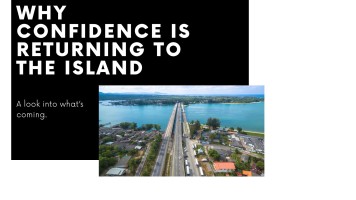
Phuket Real Estate in 2025: Why Confidence Is Returning to the Island
Phuket’s property market is no longer simply “recovering.” According to Colliers Thailand’s Phuket Market Overview 2025, the island is moving into a more mature phase defined by stronger infrastructure, resilient tourism, disciplined development, and a growing preference for quality, branded, lifestyle-led projects. In other words, Phuket is becoming more sophisticated, and that is exactly what serious buyers and investors like to see.
One of the biggest reasons for optimism is infrastructure. The presentation highlights a pipeline of major projects running from 2026 onward, including Phuket International Airport Expansion Phase 2, Bumrungrad International Hospital Phuket, a light rail system, road expansion, the Paklok–Bangkoo Expressway, Siam Premium Outlets, a seaplane airport, and other transport and civic improvements. These are not cosmetic upgrades. They are the kind of projects that improve accessibility, strengthen livability, and support long-term property values across the island.

Tourism remains the engine under the bonnet, and it is running well. Colliers notes that Phuket welcomed about 10.47 million visitors in 2025, while tourism spending has rebounded beyond pre-Covid levels, supported by longer-staying, higher-spending international visitors. In hospitality, island-wide hotel occupancy climbed to nearly 80% in 2024 and remained strong at 84.4% in Q1 2025, while average daily room rates and RevPAR also moved above pre-pandemic benchmarks. That matters because a healthy tourism market does not just fill hotel rooms. It supports rental demand, retail spending, restaurant trade, and overall confidence in Phuket as a lifestyle and investment destination.
Residential property is also showing a more serious, more selective kind of strength. Colliers reports that the total project value of residential developments in Phuket rose from roughly THB 11.5 billion in 2021 to about THB 190.1 billion in 2024. While 2025 and 2026 are expected to moderate, Colliers is clear that this is not a market collapse. It reflects a shift toward more phased, disciplined launches rather than indiscriminate expansion. That is often a healthy sign in a market that is learning to separate strong projects from average ones.
The condominium market tells a similar story. Cumulative condo supply reached 64,344 units in 2025, with 8,372 new units launched that year. Average pricing sat around THB 149,070 per square metre, and take-up remained strong at 64.9%, even after a large wave of supply entered the market. The strongest concentration of activity continues to be in Bang Tao, which accounted for the largest share of launches and has become the island’s standout zone for premium living, branded projects, and investment-oriented compact units. Colliers also notes that Bang Tao achieved the highest take-up rate between Q1 2024 and 2025, reinforcing its position as Phuket’s most closely watched residential hotspot.

What is especially interesting is where demand is headed. Buyer preferences are shifting toward branded and lifestyle-led projects that offer stronger identity, better management, and more resilient resale appeal. Branded residences posted a 51% take-up rate and 10.7 units per month in absorption, while also outperforming traditional condominiums in capital appreciation, with an average escalation rate of 18.52% versus 9.08% for standard condominiums. That is a meaningful signal. Buyers are not only looking for square metres anymore. They are paying for trust, design, operation, and long-term positioning.
The villa market remains active as well, especially in the segments that align with realistic buyer budgets and practical lifestyle use. New villa supply in 2025 came in at 1,100 units, and several projects by established developers continued to post solid sales performance. The most sought-after areas were Bang Tao, Choeng Thale, Rawai, and Chalong, while villas priced below THB 30 million showed particularly strong absorption. That tells us something important: the Phuket villa market is still attractive, but buyers are becoming more selective and value-conscious. Good product in the right location continues to move.
Retail performance adds another layer of confidence. Colliers found that community malls are outperforming traditional shopping mall formats, with community mall occupancy at 92% versus 90% for shopping malls. The logic is simple enough: Phuket’s growth is increasingly being driven by everyday lifestyle spending from locals, expats, and long-stay visitors, not only by classic tourist traffic. When retail shifts toward convenience, habit, and daily use, it usually points to a stronger full-time living ecosystem, and that is exactly the kind of environment property buyers want around them.

There is also a planning story behind the market. The new draft town plan suggests a more regulated future, with expanded high-density red zones in urbanizing areas like Bang Tao, tighter FAR controls in yellow zones, and more complexity around height, setbacks, and site compliance. That may sound technical, but it matters. In practice, it can restrict poor-quality development and reward land in better-positioned, better-zoned locations. A more regulated market is not always a weaker one. Quite often, it becomes a more valuable one.
The clearest takeaway from the Colliers presentation is this: Phuket is not growing blindly. It is evolving. Tourism is strong, infrastructure is improving, hospitality is outperforming, and the residential market is becoming more disciplined and quality-driven. For buyers, investors, and developers alike, that is encouraging news. Phuket still offers the lifestyle people dream about, but in 2025 it is increasingly backed by the fundamentals that serious investors want to see.
Source: https://phuketrealtor.com/files/phuket-real-estate-overview-2025-by-colliers-thailand.pdf

Greg Carlson is known for his honesty, reliability and hard work which goes into every detail of your real estate transaction at Phuket Realtor. Greg was born on the west coast, raised in Texas and practiced accounting in the United States, With over 8 years of experience in Thailand real estate, he is now a partner at one of the best independent real estate agencies in Thailand, Phuket Realtor.
